
Category: General Productivity

  • Why choose EffortRealm for productivity advice?

    Why choose EffortRealm for productivity advice?

    EffortRealm Logo
    The EffortRealm Logo

    It is a fair question: why should you read EffortRealm’s articles when you can simply ask AI or visit other websites for productivity advice?

    One reason is the quality of our content. Our articles are not simply copied and pasted from AI. Every piece goes through a thorough editing and review process to ensure that the advice is useful, relevant, concise, and accurate. While AI can sometimes provide factual errors, repetitive information, or advice that does not quite fit your situation, we work hard to avoid these shortcomings.

    We also believe EffortRealm offers something different: genuinely original ideas. Alongside the essential productivity advice you would expect to find, our site contains approaches and insights that you are unlikely to find elsewhere on the internet. Our aim is to give you practical advice that can genuinely help you become more productive.

    EffortRealm is also an active and constantly evolving website. We are committed to building it for the long term, continually adding new ideas, improving our content, and developing a community focused on becoming more productive.

    These are the reasons why we believe EffortRealm deserves to be a core part of your productivity toolkit. The next time you are looking for productivity advice, we hope you will give EffortRealm a shot.

  • The Power of Taking Time Off: Press Reset and Boost Your Productivity

    The Power of Taking Time Off: Press Reset and Boost Your Productivity

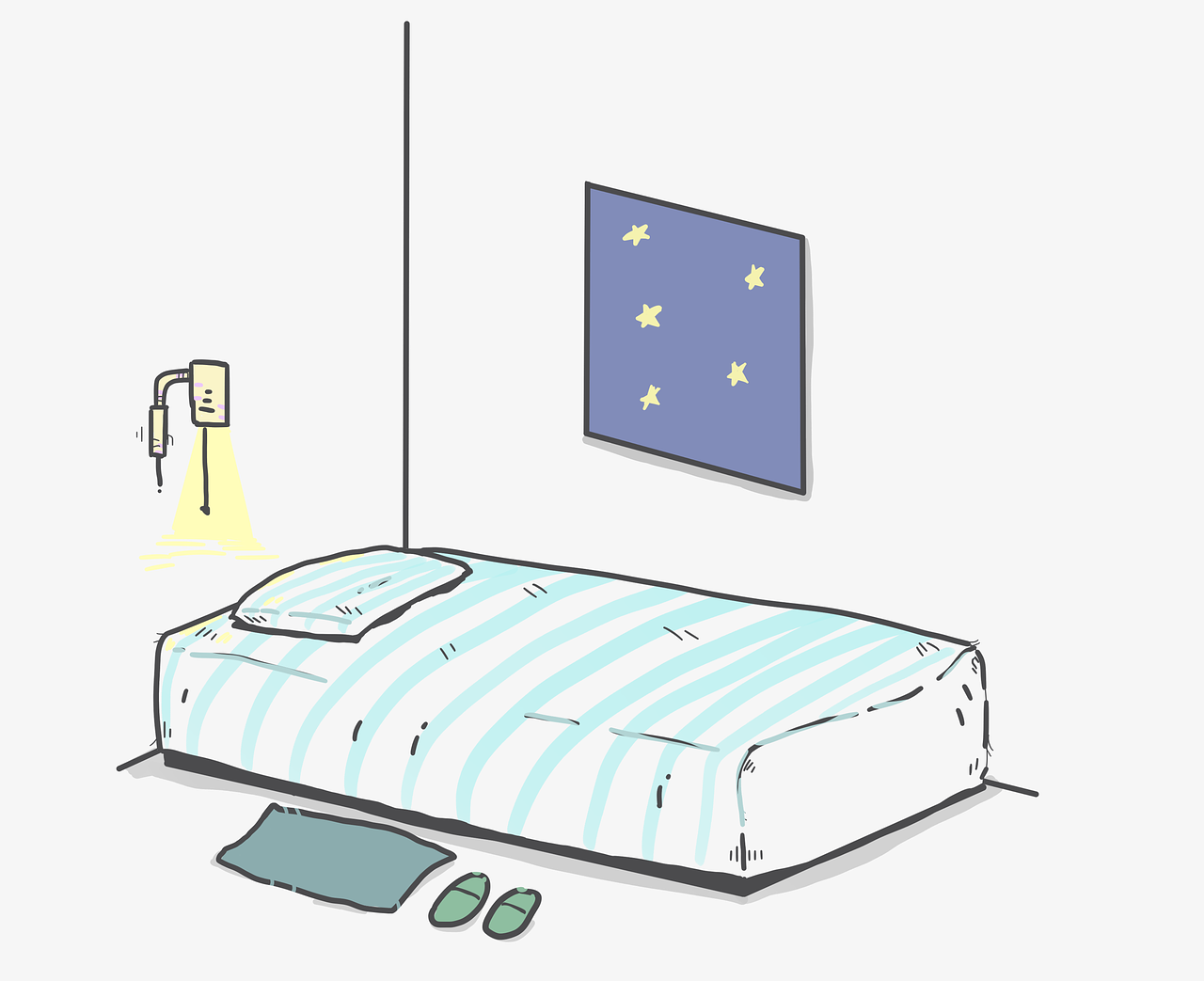
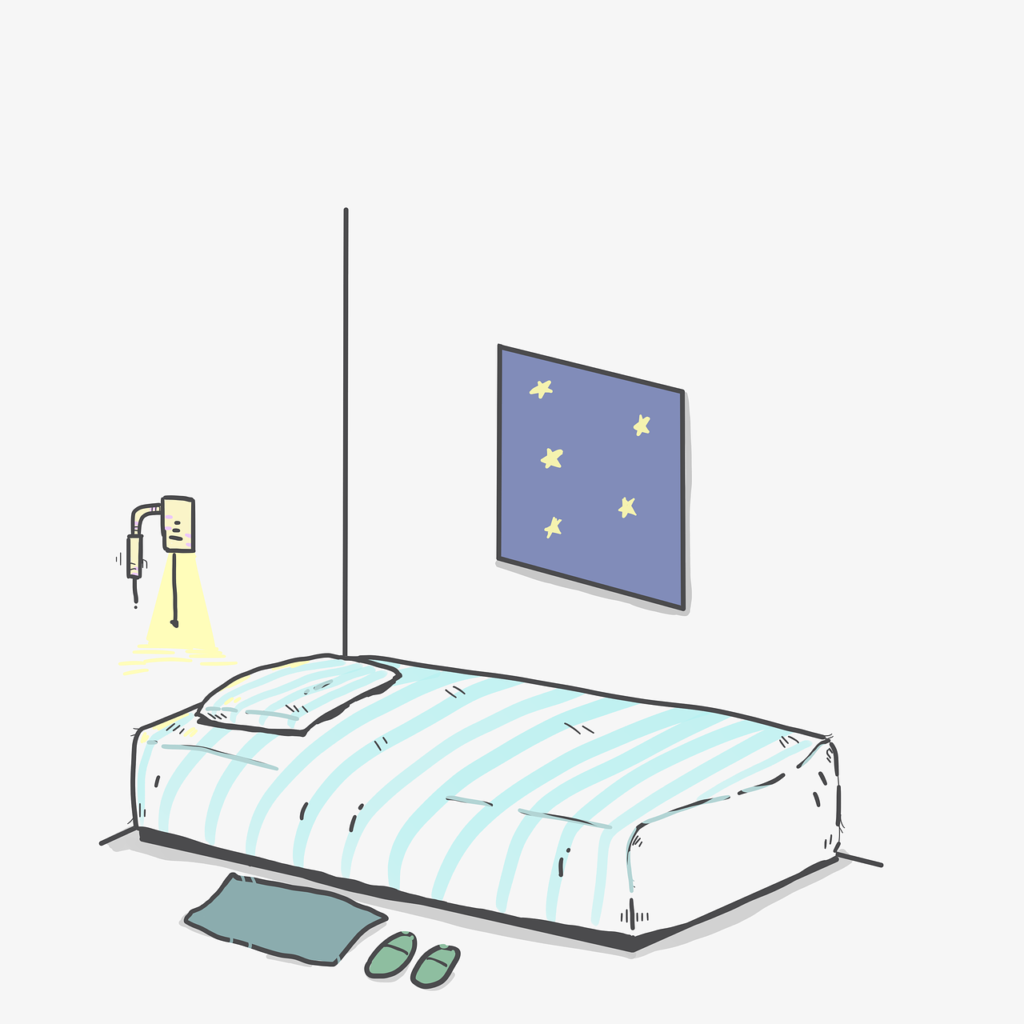
    A bed.
    Sleeping well helps you recover faster


    Introduction

    We often think that being productive means making the most of every available minute. But sometimes the most productive thing you can do is step away from work altogether. A few days of quality rest can mean that you return to work feeling refreshed, re-energised and more productive than you were before. After returning to work, you may also find that you enjoy your work more and feel better able to focus on the tasks ahead.

    What Does Quality Rest & Time Away Look Like?

    Going on Holiday

    A holiday does not necessarily need to involve travelling abroad or being away for a long period. Even a short break, a long weekend or a staycation can provide an opportunity to switch off, step away from work responsibilities and give yourself time to properly recharge.

    Sleeping Well

    Days off can be an opportunity to establish a healthy and consistent sleep routine.   You can also take this opportunity to have a full number of hours sleep rather than the limited sleep that many of us get.  You may sleep better knowing that you do not have the stress of work tomorrow.  

    Doing Activities That You Enjoy

    Rest is not always about doing nothing. For some people, socialising with friends or family can be energising and restorative. For others, it might be reading, listening to music, cooking, exercising, playing a sport, pursuing a hobby or simply having some quiet time alone. What helps one person recharge may leave another person feeling more tired, so it is important to recognise what genuinely works for you.

    Going for a Walk and Spending Time in Nature

    Getting outside and spending time in nature can be a simple but effective way to create some space from work and everyday pressures. Going for a walk, visiting a park, sitting somewhere peaceful or getting out into the countryside can provide an opportunity to clear your head, get some fresh air and be more present in the moment.

    A Change Is as Good as a Rest

    If you just cannot pull yourself away from your work, you might try a different approach. There is an old saying that “a change is as good as a rest”. Instead of continuing with the type of work that you normally do, particularly if it is the type of work that has left you feeling in need of a rest, try switching to a different type of task.

    For example, you could work on some of those less important, non-urgent tasks that you have been meaning to get around to. Alternatively, it might help to choose a task that is less cognitively demanding but still needs to be done. This can give you a sense of control and allow you to remain productive, while also giving your mind a chance to switch off from the more demanding work.

    Sometimes, simply changing what you are doing can provide that feeling of rest and help you return to your usual tasks feeling refreshed.

    Making Time for Rest

    We need to be able to take breaks when our body and mind are telling us that we need them.

    For many of us, particularly those working for an employer, at least some of our holidays may need to be planned in advance. However, if we were to schedule all of our allotted holiday days well in advance, we could find ourselves with no flexibility to take a break when we actually need one.

    A better approach may be to schedule some breaks at the beginning of the year, while keeping some holiday days available to use when we feel we need a break.

    Of course, those who are self-employed may have greater flexibility to take breaks when they feel they need them.

    Burnout: When a Short Break Is Not Enough

    This blog post will not cover burnout, as this will be discussed in more detail elsewhere. It is important to recognise, however, that burnout is different from simply needing a short break or some time to rest. When someone is experiencing burnout, they may need a longer and more sustained period of rest and recovery, rather than simply taking a few days away from their usual routine. For this reason, burnout deserves separate consideration and will not be explored further in this post.

    Conclusion

    Taking time away from work is not necessarily time wasted. Sometimes stepping back is exactly what allows you to come back with more energy, focus and motivation.

      Thank you for taking the time to read our latest blog post.  We have recently been working on an exciting new project for EffortRealm so stay tuned for updates on this and more!

  • Staying Productive in the Heat: How to Keep Your Focus when Temperatures Rise

    Staying Productive in the Heat: How to Keep Your Focus when Temperatures Rise

    Biker Keeping Going in the Desert Heat

    There is something deceptive about hot weather. It looks relaxing from the outside — blue skies, open windows, longer evenings — but when temperatures rise, everyday tasks can start to feel more demanding. Concentration may feel harder to sustain, motivation can dip, and routine work can seem more effortful than usual.

    Whether you work from home, commute into an office, are studying for exams, or manage a busy household, hot conditions can influence how people experience productivity. The aim is not to push through at all costs, but to adjust routines in ways that better match energy levels and comfort.

    Why Heat May Affect How You Feel and Work

    Higher temperatures place extra demands on the body, particularly in terms of temperature regulation and hydration. In some situations, this can contribute to feelings of fatigue, reduced alertness, or general discomfort.

    Sleep can also be affected for some people during warm nights, especially if conditions make it harder to stay cool. When sleep quality is disrupted, the following day may feel more tiring or less focused than usual.

    Taken together, these factors may help explain why some people find concentration and productivity more difficult during prolonged warm periods.

    Adjusting Work to Earlier Hours

    One practical approach during hotter periods is to align more demanding tasks with cooler parts of the day, where possible.

    For many people, mornings tend to feel more comfortable and less draining. This time may be better suited to tasks requiring deeper focus or sustained attention.

    Examples of higher-focus tasks

    • Writing or analytical work
    • Planning and decision-making
    • Problem-solving tasks
    • Important meetings or discussions

    Later in the day, when temperatures rise and energy may feel lower, it can sometimes be easier to focus on lighter or more routine tasks.

    Staying Hydrated in a Simple Way

    Hydration is often mentioned in relation to heat, and for many it plays a role in how they feel throughout the day.

    To stay hydrated, drink fluids regularly across the day. Some people also find it useful to include foods with higher water content during warmer periods.

    Possible options include:

    • Water and diluted drinks
    • Fruit such as watermelon or oranges
    • Vegetables such as cucumber
    • Light meals with higher fluid content

    Creating a More Comfortable Workspace

    Comfort levels in the environment can influence how easy it feels to concentrate. During warm weather, a few simple adjustments are often all it takes to beat the heat while working.

    Simple environmental adjustments

    • Closing blinds or curtains during strong sunlight
    • Using fans or improving airflow where possible
    • Working in shaded or cooler areas of the home or office
    • Wearing lighter clothing
    • Reducing heat from unnecessary electronics

    Different spaces may feel more suitable at different times of day, so changing location can sometimes help.

    Reducing Mental Load When Energy Feels Lower

    During warmer periods, some people notice that mentally demanding tasks feel more tiring than usual. In those cases, reducing complexity may help work feel more manageable.

    This could include:

    • Breaking larger tasks into smaller steps
    • Using written checklists
    • Grouping similar tasks together
    • Limiting multitasking where possible

    Perfection may also feel less sustainable during low-energy periods, so aiming for “good enough” rather than “optimal” may sometimes be more realistic.

    Taking Breaks That Support Recovery

    Breaks during hot weather may be more effective when they actively help with cooling or mental reset rather than simply distraction.

    Some examples include:

    • Stepping outside into shade or cooler air
    • Brief movement or stretching
    • Cooling hands or face with water
    • Taking time away from screens

    Short pauses may help maintain a steadier level of focus across the day.

    Eating Lighter Where it Feels Appropriate

    Some people find that heavy meals during hot weather can contribute to sluggishness or discomfort.

    Lighter meal options might include:

    • Salads with protein
    • Fruit and yoghurt
    • Sandwiches or wraps
    • Rice-based meals
    • Simple snacks across the day

    Supporting Sleep in Warm Conditions

    Sleep quality can vary significantly depending on temperature, and warm nights can make rest very uncomfortable.

    Simple approaches that may help include:

    • Using fans or improving airflow
    • Avoiding heavy bedding
    • Cooling the room before bedtime where possible
    • Reducing screen use before sleep

    Even small improvements in comfort may influence how rested the next day feels.

    Final Thoughts

    Working during hot weather provides us with a reminder that staying productive is partly about sustaining energy levels. It also highlights the importance of sleep for maintaining focus and output.

    With that in mind, making a few conscious changes – like shifting demanding work to cooler times, staying hydrated, simplifying tasks, and supporting rest may all help make warmer periods more manageable.